How To Deal With Frost-Arnett Company
Upsolve is a nonprofit that helps you eliminate your debt with our free bankruptcy filing tool. Think TurboTax for bankruptcy. You could be debt-free in as little as 4 months. Featured in Forbes 4x and funded by institutions like Harvard University — so we’ll never ask you for a credit card. See if you qualify →
Frost-Arnett Company is a debt collection agency that collects medical debts for healthcare companies. If Frost-Arnett contacts you, the first thing you’ll want to do is validate the debt and confirm it is really yours. Once you do confirm that the debt is yours, you can choose how you’d like to deal with Frost-Arnett. The main options you have are disputing the debt (if the information is incorrect or you disagree with the debt amount) or negotiating a settlement, so you only pay off a portion of your overall amount owed.


Written by Attorney Tina Tran. Legally reviewed by Jonathan Petts
Updated March 14, 2026
What Is Frost-Arnett?
Frost-Arnett is a debt collection agency that primarily helps healthcare providers, like hospitals and clinics, collect unpaid medical bills.
Here is their contact information:
🌐 Website: https://www.frost-arnett.com
📍 Headquarters address: 2105 Elm Hill Pike, STE 200, Nashville, TN 37210-3979
📫 Mailing address: PO Box 198988, Nashville, TN 37219
📞 Phone number: (855) 287-7043
The company is based in Nashville, Tennessee, and also has offices in Campbellsville, Kentucky, and Houston, Texas.
Why Is Frost-Arnett Contacting Me?
Frost-Arnett is likely contacting you because you have a past-due medical bill.
Healthcare providers typically hire this company to help get payment after a bill has gone unpaid for a certain period of time.
In some cases, providers use Frost-Arnett for early-out collections, which means they may reach out even before a bill is officially overdue. But in most situations, people hear from them because a payment is past due.
Even though the debt is still owed to the original provider, Frost-Arnett is now handling the account. That means if you want to ask questions, explore payment options, or resolve the debt, you’ll need to work directly with the collection agency.
Is Frost-Arnett Legit?
Yes, Frost-Arnett is a legitimate debt collection company. They're accredited by the Better Business Bureau (BBB) and currently have an A+ rating. That said, many consumers have reported negative experiences when dealing with the company.
📉 As of 2026, more than 60 complaints have been filed with the BBB in the past three years. Frost-Arnett has an average customer rating of 1.3 out of 5 stars on the BBB website. The Consumer Financial Protection Bureau (CFPB) has also received over 80 complaints about Frost-Arnett in the last year.
Many complaints say that Frost-Arnett didn’t provide proper paperwork documenting the details of the debt. Others mention repeated calls or behavior that felt like harassment.
Note to reader: These reviews and complaints highlight relevant issues but may not represent all consumers’ experiences.
How To Report Issues With a Debt Collector
⚖️ Under the Fair Debt Collection Practices Act (FDCPA), third-party debt collectors must treat you fairly and follow specific rules. For example, they’re required to send written verification of the debt if you request it, and they’re not allowed to harass you through excessive phone calls, threats, or abusive language.
If you believe a collector has broken these rules, many people choose to file a complaint with the CFPB. In some situations, people also consider legal action.
How Do I Know if I’m Being Scammed?
While Frost-Arnett is a legitimate company, many scammers pretend to be debt collectors. Some even use the names of real companies when they contact you, hoping you'll share sensitive information like your bank account or full Social Security number.
A legitimate debt collector should already have your basic information and won’t pressure you to give it out over the phone or in a text.
🛡️ To protect yourself from scams, don’t make any payments or share personal details until the debt has been validated in writing. If anything feels off or overly aggressive, it’s okay to pause and ask for more information.
📣 You can report suspected scams to the Federal Trade Commission (FTC), a federal agency that works to uphold consumer rights.
Do I Have To Pay Frost-Arnett?
It depends. Start by making sure the debt is real, accurate, and actually yours. Mistakes do happen. Sometimes, creditors report outdated information, send accounts to the wrong person, or list the wrong balance.
✅ Before you agree to pay anything, you have the right to request a debt validation letter. This should confirm:
That the account belongs to you
That Frost-Arnett has the legal right to collect it
That the amount is correct
⬇️ Here’s how to validate the debt, and what to do with that information.
Step 1: Send a Debt Verification Letter
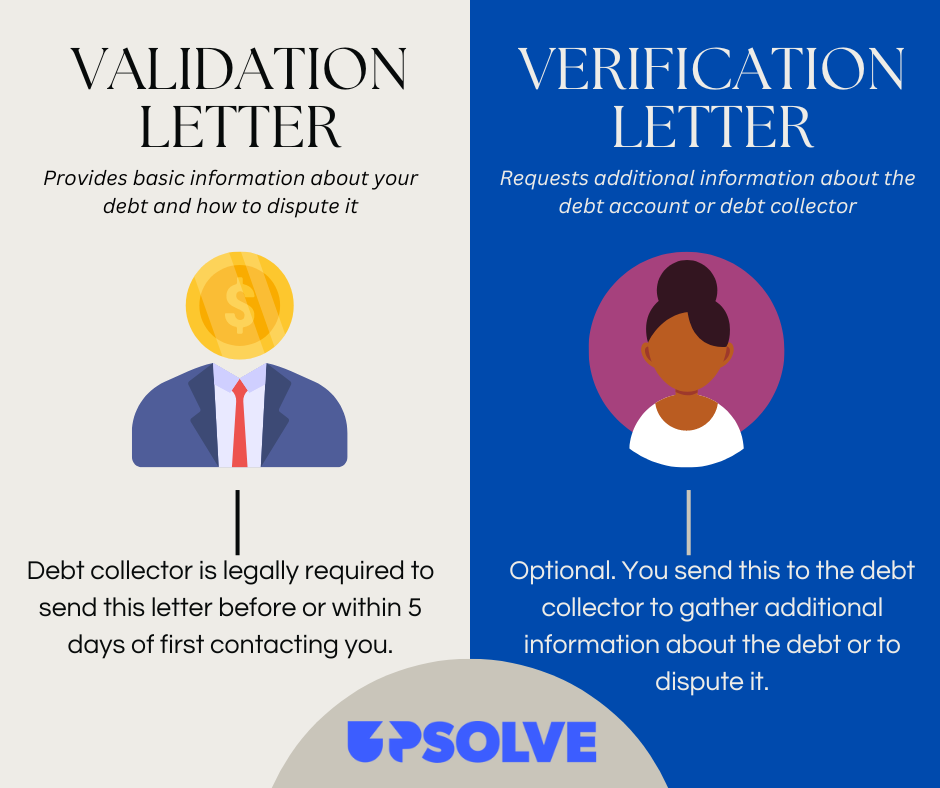
Debt collectors are legally required to send you a debt validation letter either when they first contact you or within five days of first contact. This letter should include basic information about the debt, your right to dispute it, and how to ask for more details.
If you didn’t receive this letter — or if you want to double-check the details — you can send a debt verification letter. This is a written request asking the collector to prove the debt is valid and that they’re authorized to collect it.
📝 If you send a written dispute or request for verification within 30 days of being contacted, the debt collector must pause collection efforts until they respond.
If they can’t validate the debt, you can dispute it. If they do validate it, you can review your options and decide what makes the most sense for your situation.
👀 Let’s look at your options.
Step 2: Decide What To Do Next
If Frost-Arnett has responded to your verification request and provided information about the debt, your next step is to decide how you want to handle it.
You generally have three main options:
Dispute the debt.
Negotiate or settle the debt.
Ignore the debt (this is technically an option, but often not recommended — especially if the debt is valid).
Option 1: Dispute the Debt
Your first option is to dispute the debt. You might choose to do this if you disagree with the amount listed in the debt validation letter or if something doesn’t look right about the account details.
📃 If that’s the case, it’s also a good idea to check your credit reports for any related errors. You can get a free copy of your credit report every week from each of the three major credit bureaus — Experian, Equifax, and TransUnion.
⚠️ Important: Medical debt under $500 shouldn’t appear on your credit report at all, no matter what stage the account is in. If you see it listed, you can file a dispute with the credit bureau reporting it.
The Fair Credit Reporting Act (FCRA) gives you the right to ask credit bureaus to investigate and remove any inaccurate or outdated information.
✉️ Some people also send what’s called a 609 letter to request more detailed information about a specific item on their credit report. A 609 letter isn’t a magic fix, but it’s a formal way to ask the credit bureau to show what documentation they have for the debt. If they can’t verify it, the item may be removed.
Option 2: Negotiate the Debt and Make a Settlement Offer
If you agree the debt is legit and it’s yours, you might be able to settle it without paying the full amount. That can be a good option if coming up with the whole balance isn’t realistic — and for a lot of people, it isn’t.
Many healthcare providers would rather recover part of the balance than nothing at all, especially if the account has been unpaid for a while. In some cases, debt collectors like Frost-Arnett are paid based on what they collect. That gives them an incentive to accept reasonable offers.
🤝 Debt settlement is usually a back-and-forth process. You don’t have to offer your highest number right away. Some people start with an offer around 20%–30% of the total balance.
Frost-Arnett may counter with a higher amount, and you can keep the conversation going until you reach an agreement that works for both sides. Depending on the situation, people are sometimes able to settle debts for 40%–60% of the original amount.
📩 You can begin this process by sending a settlement offer letter. Upsolve has a free template you can use to help you get started.
Option 3: Ignore the Debt (Not Recommended)
Some people choose to ignore debt collectors, but this usually doesn’t work out well. Ignoring the debt won’t make it go away, and collectors like Frost-Arnett are unlikely to stop contacting you.
Doing nothing can also lead to some unwanted outcomes, such as:
A drop in your credit score
More interest and fees added to the original debt
A debt collection lawsuit, which could lead to wage garnishment against you
In most cases, negative information will fall off your credit report after seven years, but debt collectors can continue trying to collect as long as the statute of limitations hasn’t expired.
Bottom line: Taking action — like requesting debt validation or making a settlement offer — puts you in the driver’s seat. Reaching out to Frost-Arnett could help you avoid a lawsuit, reduce what you owe, and move forward with peace of mind.
Can Frost-Arnett Sue Me?
Yes, debt collectors like Frost-Arnett can sue you, but it's not usually their first move. A lawsuit is more likely if they haven’t been able to contact you or work out a resolution after several months of reaching out.
Debt collectors consider a few factors when deciding whether to file a lawsuit, such as:
How much you owe
How long the debt has been in collections
Your state’s wage garnishment laws
If you do get sued, you’ll receive official court documents (called a summons and complaint) that explain the lawsuit and what you need to do next. These papers are typically delivered in person, but depending on your state’s rules, they might also arrive by mail.
Being sued over a debt can feel overwhelming, especially if you’re not sure how to respond. But responding to the lawsuit is a chance to be heard and avoid having the court automatically rule in the collector’s favor.
If you're worried about responding on your own but can’t afford a lawyer, our partner Solo can help you draft your answer for free or a small fee. Solo has helped hundreds of thousands of people respond to debt lawsuits and offers a money-back guarantee on certain services.
Solo is an affiliate partner, which means Upsolve may earn a small commission if you choose to use their paid service. This helps keep our services free.
💡 If you want to feel more confident about what to do next, check out Upsolve’s guide How To Win Against Frost-Arnett. It walks you through what to expect and how to handle a debt collection lawsuit step by step.
Let’s Summarize…
Frost-Arnett Company is a legitimate debt collection agency that primarily collects medical debt. If they contact you, make sure you’ve received a debt validation letter. This letter gives you important details about the debt and your rights.
From there, you have options. If something doesn’t look right, you can dispute the debt. If the debt is accurate and you’re able to address it, many people choose to negotiate a settlement and pay less than the full amount owed.