How To Deal With Velocity Investments
Upsolve is a nonprofit that helps you eliminate your debt with our free bankruptcy filing tool. Think TurboTax for bankruptcy. You could be debt-free in as little as 4 months. Featured in Forbes 4x and funded by institutions like Harvard University — so we’ll never ask you for a credit card. See if you qualify →
Velocity Investments LLC is a debt collector that specializes in recovering consumer debts, like personal loans, credit cards, medical bills, and utility bills. If you receive a call or letter from Velocity Investments, make sure they’ve validated the debt in writing. If the debt is valid, you can choose to dispute the debt, negotiate a debt settlement, or ignore the debt (not recommended). This guide goes over your options and the debt validation process.


Written by Curtis Lee, JD. Legally reviewed by Jonathan Petts
Updated March 12, 2026
What Is Velocity Investments?
Velocity Investments LLC is a debt collection company based in Wall Township, New Jersey. You might also see them listed under the names Velocity Recoveries and Velocity Portfolio Group.
📞 Here’s how to contact them:
Phone: 732-556-9090
Mailing address: P.O. Box 788, Wall, NJ 07719
Velocity is primarily a debt buyer, meaning they purchase past-due accounts that original lenders have given up on collecting. These are known as charged-off debts. Once they buy the account, Velocity takes over collection efforts.
The types of debt they buy often include:
Fintech loans and credit lines (such as loans from online lenders)
Credit card debt (including store cards)
Installment loans (like car loans and other consumer loans)
Why Is Velocity Investments Contacting Me?
If Velocity Investments is reaching out to you, it likely means they believe you owe a debt. They may have purchased the account from the original lender or from another debt buyer, and they’re now trying to collect the balance.
Even if you don’t recognize the name Velocity Investments, the debt may still be related to a loan or credit card you once had. Debt buyers often take over accounts long after the original company has stopped contacting you.
Is Velocity Investments Legit?
Yes, Velocity Investments is a legitimate debt collection company.
As of 2026, they’re accredited by the Better Business Bureau (BBB) and hold an A+ rating. However, their average BBB customer rating is just 1 out of 5 stars, and more than 300 complaints have been filed with the BBB in the past three years.
You’ll also find over 800 complaints mentioning Velocity Portfolio Group in the Consumer Financial Protection Bureau's (CFPB’s) complaint database in the past year.
The types of complaints vary, but many involve concerns about debt verification, lack of communication, or attempts to collect on debts consumers say they don’t owe. Some reviews also describe aggressive or threatening behavior from collection agents.
🛡️ If these complaints are true, they may be violations of the Fair Debt Collection Practices Act (FDCPA). This is a federal law that protects consumer rights by prohibiting third-party debt collectors from harassing and misleading consumers. If you believe a debt collector has violated the FDCPA, you can file a complaint or possibly sue them for compensation.
Note to reader: These reviews and complaints highlight relevant issues, but they may not represent all consumers’ experiences.
How Do I Know if I’m Being Scammed?
If someone claiming to be from a debt collection agency contacts you, it's important to stay cautious. Scammers often pretend to be from real companies like Velocity Investments to trick people into paying money or giving up personal information.
🚩 Watch out for red flags, like pressure to pay immediately, threats, or refusal to send anything in writing. Be especially careful if you're asked for sensitive details like your full Social Security number or bank account information. A legitimate debt collector should already have that information.
Many people request a debt validation letter (more on this below) before sharing any personal information or making a payment. This letter can help you confirm whether the debt is real and whether the company has the legal right to collect it.
Do I Have To Pay Velocity Investments?
Whether you have to pay Velocity Investments depends on if the debt is valid and actually belongs to you. Debt collectors often buy debts in bulk or take over accounts that have been transferred from other companies. Mistakes can easily happen, so it’s important to make sure the debt is accurate before deciding what to do next.
Start by reviewing the debt validation letter they’re required to send. This letter should include important details like the name of the original creditor and the amount owed.
If you didn’t get the letter — or it doesn’t include enough details to confirm the debt — you can ask for more information.
Let’s look at how to do that.
Step 1: Send a Debt Verification Letter
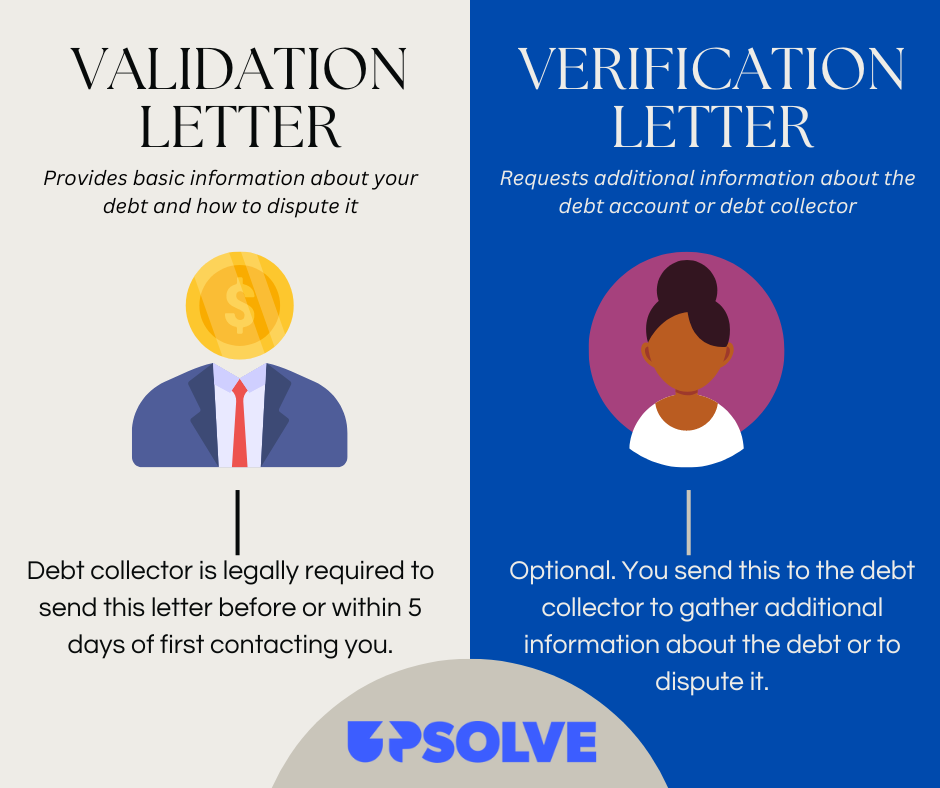
Third-party debt collectors like Velocity Investments must send you a debt validation letter (also called a validation notice) either with their first contact or within five days of it.
📄 This letter should include:
The total amount of the debt
The name of the original creditor
A statement about your right to dispute the debt within 30 days, along with instructions for how to do that
📆 If you do decide to dispute the debt within those 30 days, Velocity Investments has to pause all collection efforts until they respond with verification. If they can't verify the debt or don’t respond, they may have to stop trying to collect. In many cases, people in that situation don’t end up having to pay.
If the validation letter is missing information or if you still have questions, you can send Velocity a debt verification letter. This lets you ask for documents that confirm the debt is accurate and that Velocity Investments has the legal right to collect it.
Step 2: Decide What To Do Next
If Velocity Investments is able to validate the debt, your next step is to decide how to move forward. You can:
Dispute the debt if you believe something is wrong (for example, the amount is incorrect or the debt isn’t yours).
Negotiate a settlement or try to work out a payment plan.
Ignore the debt (this is technically an option, but it’s usually not recommended since it can lead to consequences like a lawsuit or damage to your credit).
🔎 Let’s look at each option in more detail.
Option 1: Dispute the Debt
If you don’t recognize the debt or believe the amount is wrong, you can dispute it. The debt validation letter you receive from the collector should include instructions on how to do this.
It’s also a good idea to check your credit report for errors if you’re disputing a debt. If a debt collector has incorrect information, that same mistake often shows up on your credit report because collectors share data with the credit bureaus.
✉️ If you find an error, you can file a dispute directly with the credit bureau — Equifax, Experian, or TransUnion. You can also send a 609 letter, a formal written request asking the bureau to verify the information they’re reporting. If they can’t verify it, they must remove it from your report.
🧾 You can check your credit reports for free every week at AnnualCreditReport.com.
Option 2: Negotiate the Debt and Make a Settlement Offer
Paying the full amount is the simplest way to resolve a debt, but that’s not always realistic. The good news is that you may not have to pay the full balance to close the account.
Most debt buyers purchase accounts for much less than the original balance, which is why they’re often open to settling for a lower amount. Many people don’t realize that debt buyers commonly accept 40%–60% of what was originally owed. Even a partial payment can still be profitable for them.
If you want to try negotiating, it’s common to start low — many people offer 25% to 30% of the total. Some back-and-forth is normal, and you might end up settling somewhere closer to 50%.
✍️ If you reach an agreement, you may be able to pay the settlement as a lump sum or in monthly installments. Make sure to get the agreement in writing before sending any money so you have a record of what was agreed to.
🤝 If you want more information about the negotiation process, you can read Upsolve’s guide How To Win Against Velocity Investments.
Option 3: Ignore the Debt (Not Recommended)
If you're feeling overwhelmed, anxious, or just tired of hearing from collectors, it's completely understandable to want to tune it all out. Ignoring a debt might feel like the easiest option in the moment, but it often just leads to more stress and fewer options down the road.
What Happens if I Ignore Velocity Investments?
If you don’t respond to the debt, Velocity Investments can take further action, which may lead to:
Legal action, which could result in a default judgment and possibly wage garnishment
A higher balance due to added interest, fees, or legal costs
A lower credit score if the account stays unpaid and gets reported to the credit bureaus
It’s also common to assume that debts disappear after seven years. While most debts do fall off your credit report after that time, collectors can still try to recover the money, depending on your state’s laws about how long a debt can be enforced.
Does Velocity Investments Sue?
Yes, Velocity Investments has been known to take legal action to collect unpaid debts. While they may start with phone calls or letters, they can also file lawsuits — often through debt collection law firms that handle the case on their behalf.
Most debt collectors consider several things when deciding whether to sue, such as:
The amount of the debt
The age of the account
Whether the debt is still within the statute of limitations
Whether they believe you have wages, property, or assets they could recover
The potential to add interest, court costs, or attorney fees to the total amount
📄 If Velocity Investments files a lawsuit, you'll likely be served with a summons and complaint. These are official court documents that let you know you’re being sued and explain how and when to respond. In most cases, these papers are delivered in person — either handed to you directly or left with another adult at your home.
💬 It’s important to respond by the deadline. If you don’t, the court may automatically rule in Velocity’s favor (called a default judgment). That judgment can open the door to collection actions like wage garnishment or bank account levies.
If you're worried about responding on your own, but you can't afford a lawyer, you can draft an answer letter for free or a small fee using our partner Solo. They've helped hundreds of thousands of people respond to debt lawsuits and settle debts, and they have a 100% money-back guarantee.
Solo is an affiliate partner, which means Upsolve may earn a small commission if you choose to use their paid service. This helps keep our services free.
To learn more about defending a debt collection lawsuit, read Upsolve’s guide How To Win Against Velocity Investments.
Let’s Summarize…
Velocity Investments LLC is a legitimate debt collection company that primarily buys past-due debts from lenders and then tries to collect on them. If they contact you, it usually means they believe you owe a debt they’ve purchased.
Before you do anything, you can ask them to validate the debt in writing. This helps confirm that the debt is real and that they have the right to collect it.
Once the debt is validated, you have a few options. You can dispute it or negotiate a settlement to pay less than the full balance. And if Velocity files a lawsuit, it’s important to respond by the deadline to avoid a default judgment.
Whatever you decide, taking action early can help reduce stress and give you more control over the situation.