How To Deal With Penn Credit
Upsolve is a nonprofit that helps you eliminate your debt with our free bankruptcy filing tool. Think TurboTax for bankruptcy. You could be debt-free in as little as 4 months. Featured in Forbes 4x and funded by institutions like Harvard University — so we’ll never ask you for a credit card. See if you qualify →
Penn Credit is a third-party debt agency that collects on past-due bills from hospitals, governments, toll road operators, and utility companies. If Penn Credit contacts you to collect a debt, validate the debt before you pay anything. If the debt isn’t yours or the amount is incorrect, dispute it. If the debt is yours but you are unable to pay it, consider negotiating a settlement.


Written by Ben Jackson. Legally reviewed by Jonathan Petts
Updated March 11, 2026
What Is Penn Credit?
Penn Credit is a third-party debt collection agency. That means they collect overdue bills on behalf of other companies and government agencies. They don’t usually buy debts but instead try to recover the money for the original creditor.
The types of debts Penn Credit collects include:
Traffic and court citations, taxes, and parking fines for municipal, local, and state governments
Unpaid medical bills for healthcare providers, such as hospitals and nursing facilities
Unpaid toll bills for toll road operators
Unpaid electric and phone bills for utility and telecommunications companies
Their full name is Penn Credit Corporation (sometimes listed as Penn Credit Corp).
📞 Penn Credit contact information:
Mailing address: PO Box 69703, Harrisburg, PA 17106
Phone number: (800) 900-1380
Why Is Penn Credit Contacting Me?
If you’ve received a call or letter from Penn Credit, it likely means you have a past-due bill that’s been sent to collections. This could be from a traffic ticket, toll, medical bill, utility account, or another type of unpaid debt.
The original company or government agency you owed money to has probably hired Penn Credit to collect the debt for them. That means Penn Credit is now your primary contact for all account-related matters, including questions about the balance, where the debt came from, or how to resolve it.
Is Penn Credit Legit?
Yes, Penn Credit is a legitimate debt collection agency. As of 2026, they’re accredited by the Better Business Bureau (BBB) and have an A+ rating. However, their customer review rating on the BBB’s website is just 1.5 out of 5 stars, and 227 complaints have been filed against them in the past three years.
The Consumer Financial Protection Bureau (CFPB), a government agency that protects consumers from unfair business practices, has also received over 400 complaints about Penn Credit in the last year.
Many complaints allege that Penn Credit tried to collect on a debt the person had already paid or on an incorrect amount of debt. In some cases, people claimed that Penn Credit didn’t give enough information about the debt for it to be verified.
Note to reader: These reviews and complaints highlight relevant issues, but they may not represent all consumers’ experiences.
How To Report Creditor Harassment
🛡️ The Fair Debt Collection Practices Act (FDCPA) is a federal law that protects you from harassment, deception, and other unfair treatment by third-party debt collectors. The Consumer Financial Protection Bureau (CFPB) is the government agency that enforces this law and investigates complaints.
📣 Some complaints about Penn Credit involve issues that, if accurate, could raise concerns under the FDCPA. If you believe Penn Credit is acting unfairly or violating your rights, you can submit a complaint to the CFPB.
How Do I Know if I’m Being Scammed?
While Penn Credit is a real debt collection agency, scammers sometimes use the names of legitimate companies to trick people into sending money or giving out personal information like their Social Security number or bank account details.
🚩 Be cautious if someone contacts you about a debt and uses threats or pressures you to pay immediately. These are common signs of a scam. If something feels off, trust your gut. You have the right to ask questions, take your time, and make sure the debt and the collector are real.
Do I Have To Pay Penn Credit?
Before you decide whether to pay Penn Credit, it’s important to make sure the debt is accurate. Debt collectors don’t always have complete or up-to-date information, and mistakes do happen.
✔️ Validating the debt can help confirm:
That you actually owe the money
That Penn Credit is authorized to collect it
That the amount they’re asking for is correct
👀 Let’s look at how to request more information about the debt so you can decide what to do next.
Step 1: Send a Debt Verification Letter
If you haven’t already received a debt validation letter from Penn Credit, you can request one. You also have the right to send them a debt verification letter to ask for more information to help you confirm whether the debt is actually yours.
Here’s the difference between the two:
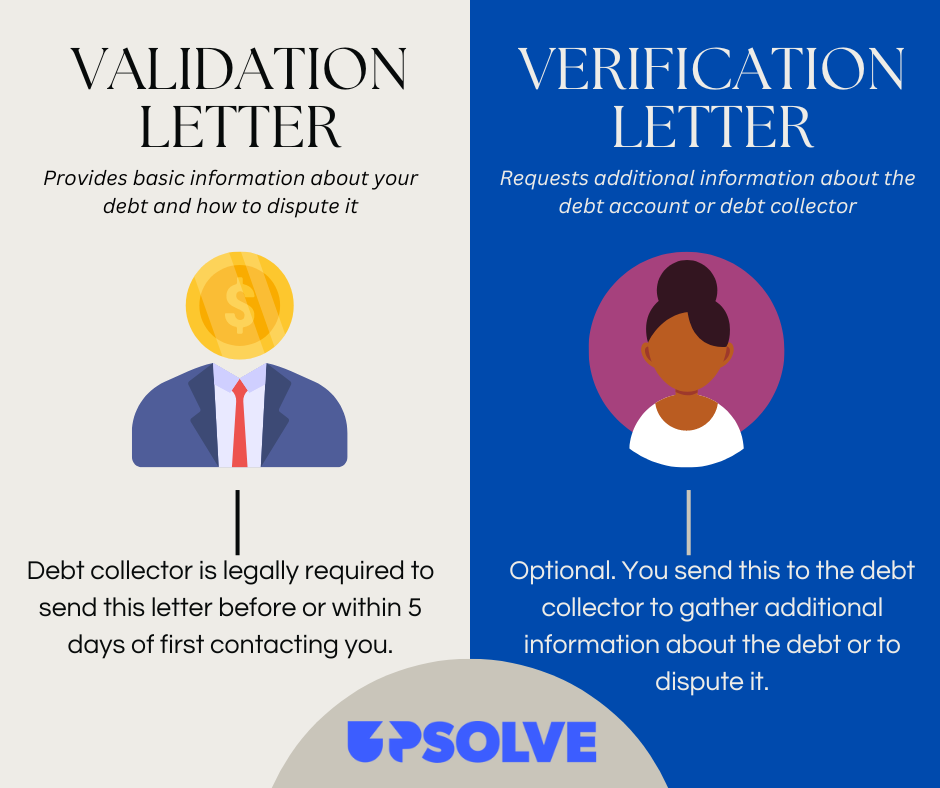
A debt validation letter is something the debt collector is required to send. They must send it before or within five days of first contacting you. This letter should include enough information to help you figure out whether the debt is actually yours. It also explains your right to dispute the debt within 30 days if something seems wrong or unfamiliar.
A debt verification letter is something you send to the debt collector. Many people send this letter if they didn’t receive a validation notice or want more details before figuring out the best way to move forward.
⏸️ If you dispute the debt within the 30-day window, Penn Credit must pause collection efforts — including calls, letters, and emails — until they respond to your dispute.
Step 2: Decide What To Do Next
It might feel like Penn Credit holds all the power, but you do have options. After reviewing the debt information, many people choose one of the following paths:
Dispute the debt if something doesn’t seem right.
Pay the debt in full (this isn't realistic for most people).
Negotiate a settlement to pay less than the full amount owed.
Take no action (most experts don’t recommend this).
🔎 Let’s take a closer look at these options so you can decide what makes the most sense for your situation.
Option 1: Dispute the Debt
If you received a debt validation letter from Penn Credit but believe something isn’t right — like the amount they say you owe or other account details — you have the right to dispute it. The validation letter should include a deadline for submitting your dispute, typically within 30 days of first contact.
If a debt collector has incorrect information about a debt, they may have reported the same incorrect information to the credit bureaus. If so, it could be hurting your credit score.
📃 To check for errors, you can request a free copy of your credit report from each of the three major credit bureaus — TransUnion, Equifax, and Experian — at AnnualCreditReport.com. You’re entitled to one free report from each bureau every week.
📝 If you see something that doesn’t look right, you can file a dispute directly with the credit bureau. The Fair Credit Reporting Act (FCRA) gives you the right to challenge inaccurate or incomplete information on your credit report.
✉️ Some people also send what’s called a 609 letter to request more details about a specific item on their credit report. This type of letter is often used to ask where the information came from and who reported it.
Option 2: Negotiate the Debt and Make a Settlement Offer
Paying the debt in full is the fastest way to get Penn Credit to close your account, but that’s just not realistic for many people. The good news is that it’s often possible to settle the debt for less than the full amount.
In many cases, collection agencies like Penn Credit work on behalf of the original creditor and only get paid if they collect something from you. That gives them an incentive to accept a lower payment and close the account, especially if a full payoff isn’t likely.
🤝 Some people start negotiations by offering around 25% of the total balance, but every case is different. It’s common for settlements to land somewhere around 50% of the original amount. Just be prepared for some back-and-forth before reaching an agreement.
👉 If you want step-by-step guidance on negotiating a settlement and improving your chances of success, check out Upsolve’s guide How To Win Against Penn Credit.
Option 3: Ignore the Debt (Not Recommended)
You can ignore Penn Credit’s phone calls or notifications, but it’s probably not in your best interest to do so. While it’s stressful to have a looming debt you aren’t able to pay, not addressing the situation can actually end up increasing your stress and money anxiety. Plus, it doesn’t make the debt go away.
What Happens if I Ignore Penn Credit?
If a debt collector contacts you and you don’t respond, here’s what may happen:
Damage to your credit score
Increased debt in the long run, as interest charges, fees, and maybe even court costs, accrue
Legal action, which could lead to a wage garnishment order
Debt collectors don’t give up easily, and ignoring them could lead to more persistent collection attempts.
Even though negative information usually drops off your credit report after seven years, the debt itself doesn’t disappear. Debt collectors can still collect on it as long as the statute of limitations hasn’t expired.
💪 Bottom line: It may be tempting to ignore a debt collector, but it won’t solve anything and could actually make your situation worse. Use the information in this article to empower yourself to put the debt behind you for good!
Can Penn Credit Sue Me?
If Penn Credit is unable to collect payment, they may choose to sue you. Whether they decide to take legal action depends on several factors, including:
Your state’s wage garnishment laws
How long your debt has been in collections
The amount of money you owe
If a lawsuit is filed, you’ll receive official court papers called a summons and complaint. These documents are delivered in person or left with someone at your home, and they explain that you’re being sued and why.
If this happens, it’s important to respond to the summons, which you can do without hiring an attorney. If you don’t respond, the court may issue a default judgment, which means you automatically lose the case. Once there’s a default judgment, Penn Credit can request a wage or bank account garnishment order to collect the debt.
If you're worried about responding on your own and hiring a lawyer isn’t an option, you can draft an answer letter for a small fee using our partner Solo. They've helped over 350,000 people respond to debt lawsuits, and they have a 100% money-back guarantee.
Solo is an affiliate partner, which means Upsolve may earn a small commission if you choose to use their paid service. This helps keep our services free.
If you want to learn more about how to handle a lawsuit from Penn Credit, read Upsolve’s guide How To Win Against Penn Credit.
Let’s Summarize…
Penn Credit is a third-party debt collector that collects debts on behalf of other companies and creditors. If you have an unpaid toll bill, utility bill, medical debt, or the like, Penn Credit is likely contacting you to collect payment.
The most important thing you can do is validate the debt. Make sure you can confirm that the debt is actually yours and that the amount is accurate. If it isn’t your debt, you have the right to dispute it. If it is your debt, you can explore options like negotiating a settlement to resolve the issue and move forward.